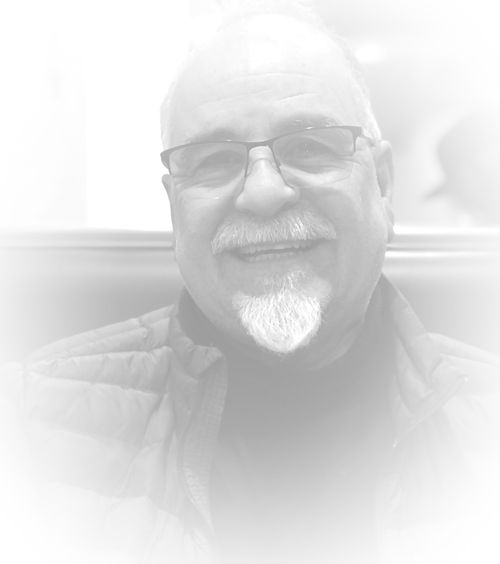
 Quite frankly, I suppose what I believe has shaped what I think and to some extent how I feel. This short statement provides some openness into what I believe. Philosophically, and I use the term creatively, my articles of beliefs rest on the objectification of what I have accumulated from the acceptance of several ideological creeds and their intellectual applications. Life experience, accumulation of knowledge, and exceptional truth-tellers “artists” has deeply imbued in me a profound reality that presents tremendous joy. Without withholding much that is true and at the expense of embarrassment, I shall offer up in print the decree that I adore the Humanities. The love of art is my life, its potential to amplify the human psyche, its personification of the human soul is life. I am what I think and do. While I desire the appearance of alignment with the light of my fellow intellectuals and their missionary zeal in one form or other, I remain in curious contrast to marked differences. As an artist laboring in academics I am rendered independent, autonomous to commodity driven hype, its conformity and the intellectual pretensions of cultural alignments. Mine is a creed of curious spark, adapted through race, progeny, persistent inquiry and the need to avoid the commercialization of my inner world of art and its peace.
In brief, this equals two articles of logic. First, because I am an educator of the Humanities I understand and contemplate the world through artifacts and visual manifestations. Second, because I am an artists that is engaged in academics, I’m apt to see the human condition from a model of cause and effect: the life of tomorrow will be what is made of today. The mystery of life as seen through the arts, helps me to appreciate how my own outer and inner life is constructed upon the labors of my fellow human beings, both living and dead. From the standpoint of daily life I realize how earnestly I must exert myself in order to give in return as much as I have received. Clearly my temperament of mind is often troubled by the sense that I borrowed to heavily from the works of others and not engaged failure as form liberation. The compulsion towards creative has impressed itself upon me and has always consoled when I have witnessed and suffered the hate of racial discrimination and life hardships. As a child of poverty I understood that tolerance for the mind of eccentric individualists, regardless of eccentricity was the key to learning and by extinction freedom. I was taught that the most beautiful thing we can experience is the presences of the mysterious. In reality it is the sources of all true art. That simple and unassuming conviction continues to guide my life and leads me to believe in the ideals of goodness, beauty, love and truth as absolutely necessary for the orderliness of life.
To ponder interminably the reasons for goodness, beauty and truth is sheer folly. Goodness, beauty and truth are the catalysts of collaboration between the Humanities and all other academic disciplines. Without the sense of collaboration with like-minded human beings, we become dull, insensible in feeling and thought. Without the manifestation of art and its mystery we become impenetrable, strangers to ourselves, no longer able or willing to stand rapt in awe when it rains or snows. It seems to me that the distinctions separating the social classes is far greater than race, color or gender. Quite simply what separates us is, in fact, the idolization of conspicuous consumption and shameless luxury. Perhaps passion’s irony of fate is built on the foundation of contradictions, for it is often heard in popular discussions that art, regardless of form, is the epitome of luxury. Again, nothing could be further from the truth.
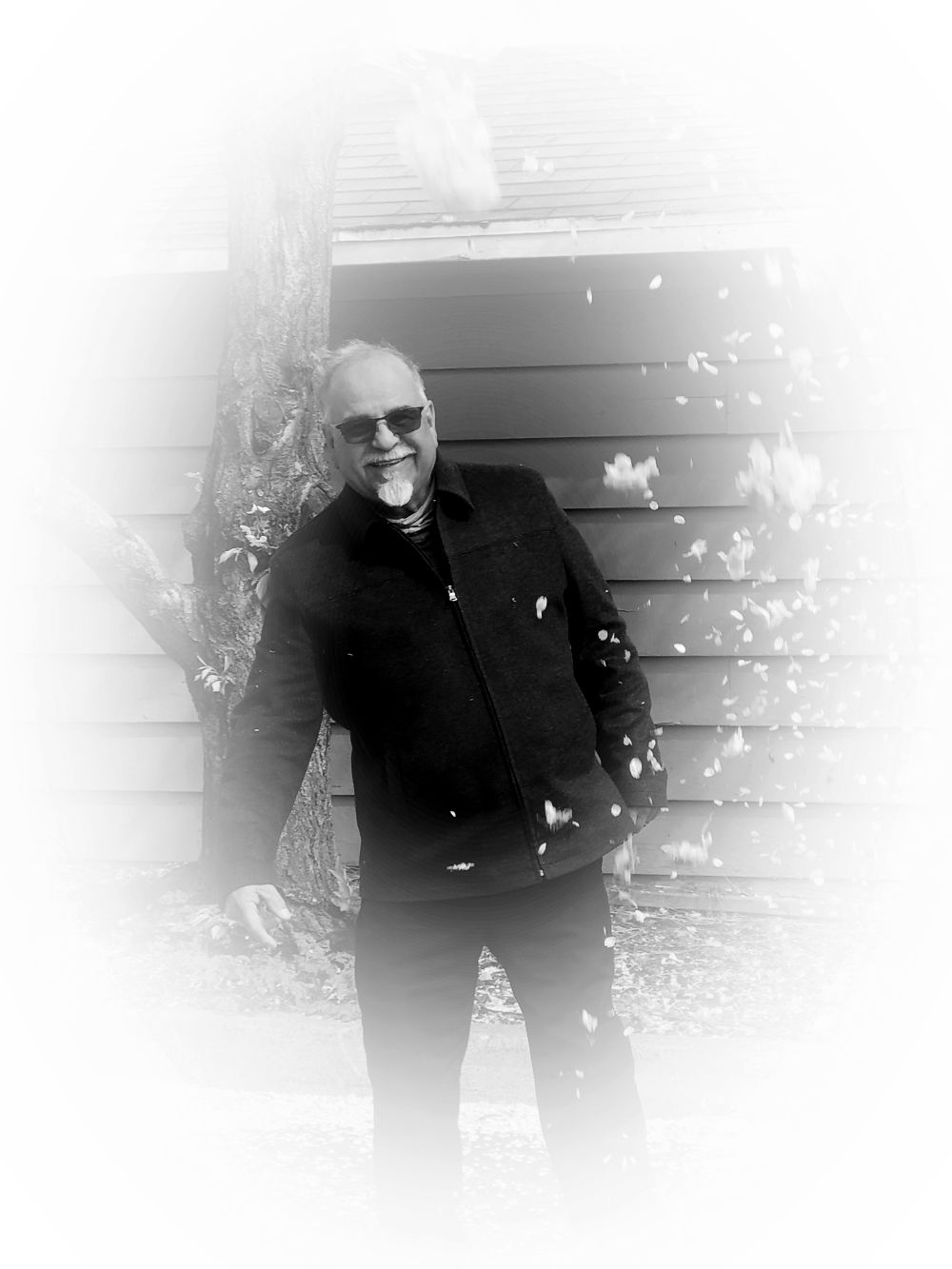 The most cynical of published critics today stand confident in their disdain of the Humanities. Some state that the standard of a genuine liberal arts education is being progressively undermined by soft sentimentalists. Many postulate that the majority of academia and its practitioners seem careless or unable to conduct the teachings of ethical doctrine. Hence, imagination, intellect, and creativity have given way to the glorification of novelty and trivial nonsenses. In every direction we hear that our nation’s institutions of higher education are adrift, eclipsed by overcrowding, senseless violence, apathy, instant gratification and a genuine mistrust in Western doctrine. Deeply embedded in the cynic is the impulse to indulge selfishness. Like wise, cynicism becomes the soapbox for the unimaginative critic, advocating contempt against inspiration. Granted academia and its practitioners may at times be a bit dull and imperialistic, but the cynic must comprehend that academia is the leveler or measure of our possibilities.
Ultimately, I am a creature of reason, passion, emotion, desire and impulse. Goodness, beauty and truth are my moral compass. I do not claim that truth is immutable or that morality is transcendental. Clearly the innumerable maladjustments of the present day would prove me wrong. I remain ever hopeful that through teaching of the Humanities the cultivated orientation of our own spirit can be extended. My conduct and moral codes of life is simply this: work smart, play to the allowable limits, never play a friend, eat and drink in moderation, never grow indignant, treat one’s adversaries with polite inconsideration and be satisfied with life, but never with one’s self. As a humble and lowly member of the arts I live in a world where ideas give to me liberty, freedom, self-worth and tremendous advantage over the usual and often necessary regard of influence. As a real artist, I cherish my own course, albeit filtered through the guise of wisdom and prudence or sheer fanaticism. In short, it is enough to contemplate the evolution of art, its mystery, its pregnable purpose and hopefully that I may in some way add to the dialog.